
Project Type
Role
Academic
UX Designer
As indoor rock climbing’s popularity surges, it has fostered a subculture where sharing progress is just as important as the climb itself. While modern grading systems offer a quantitative way to track skill, there is a noticeable lack of dedicated platforms for climbers to actually showcase those achievements.
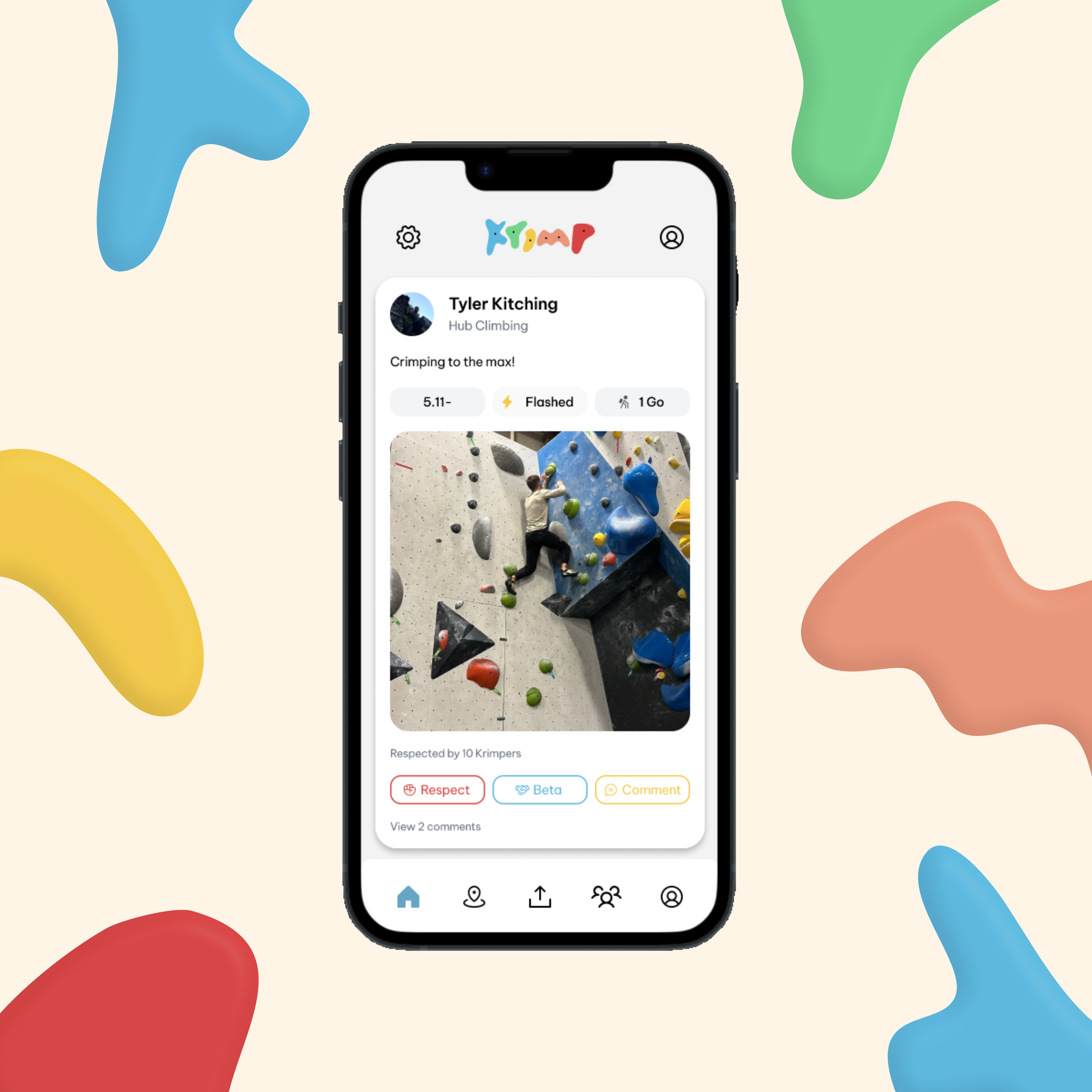
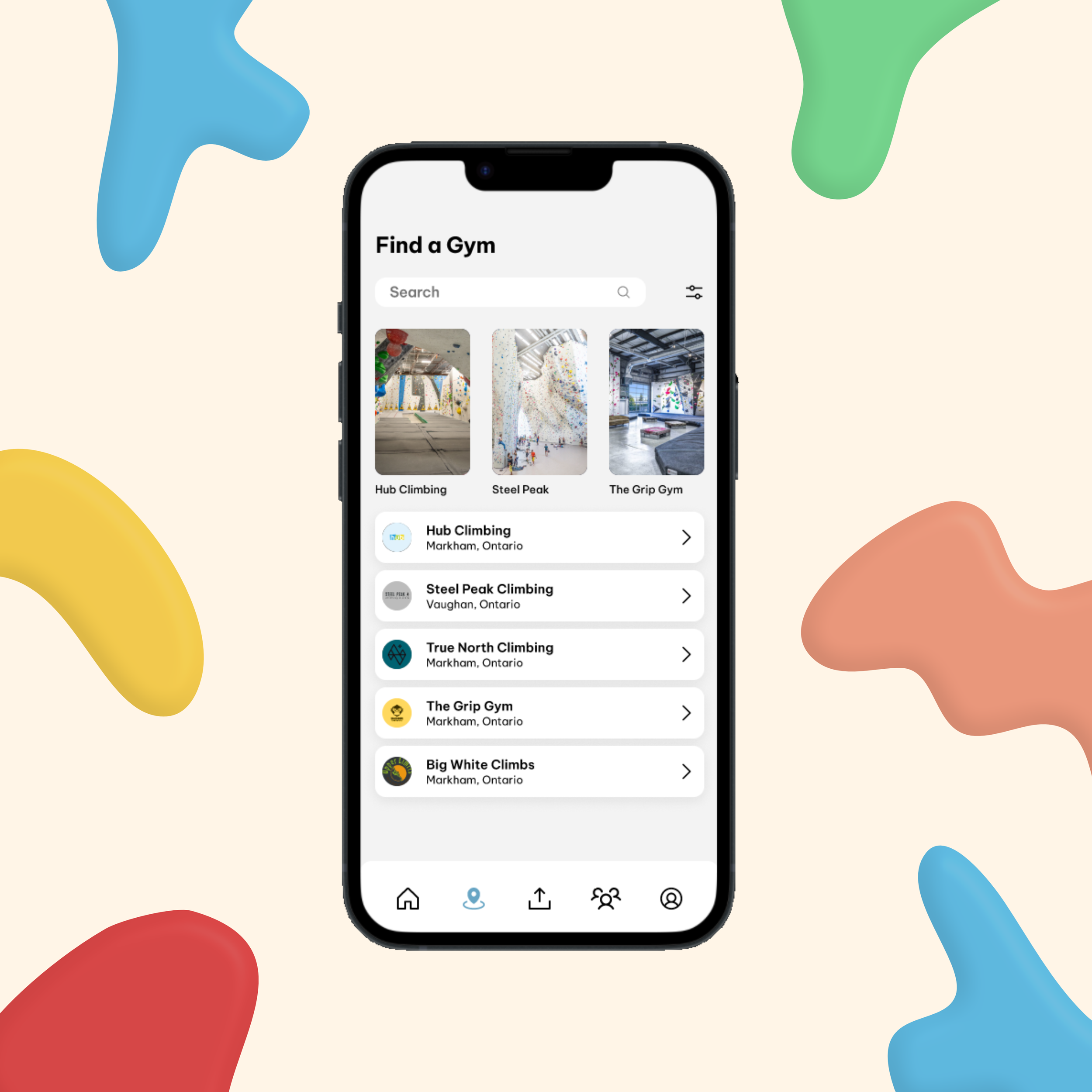
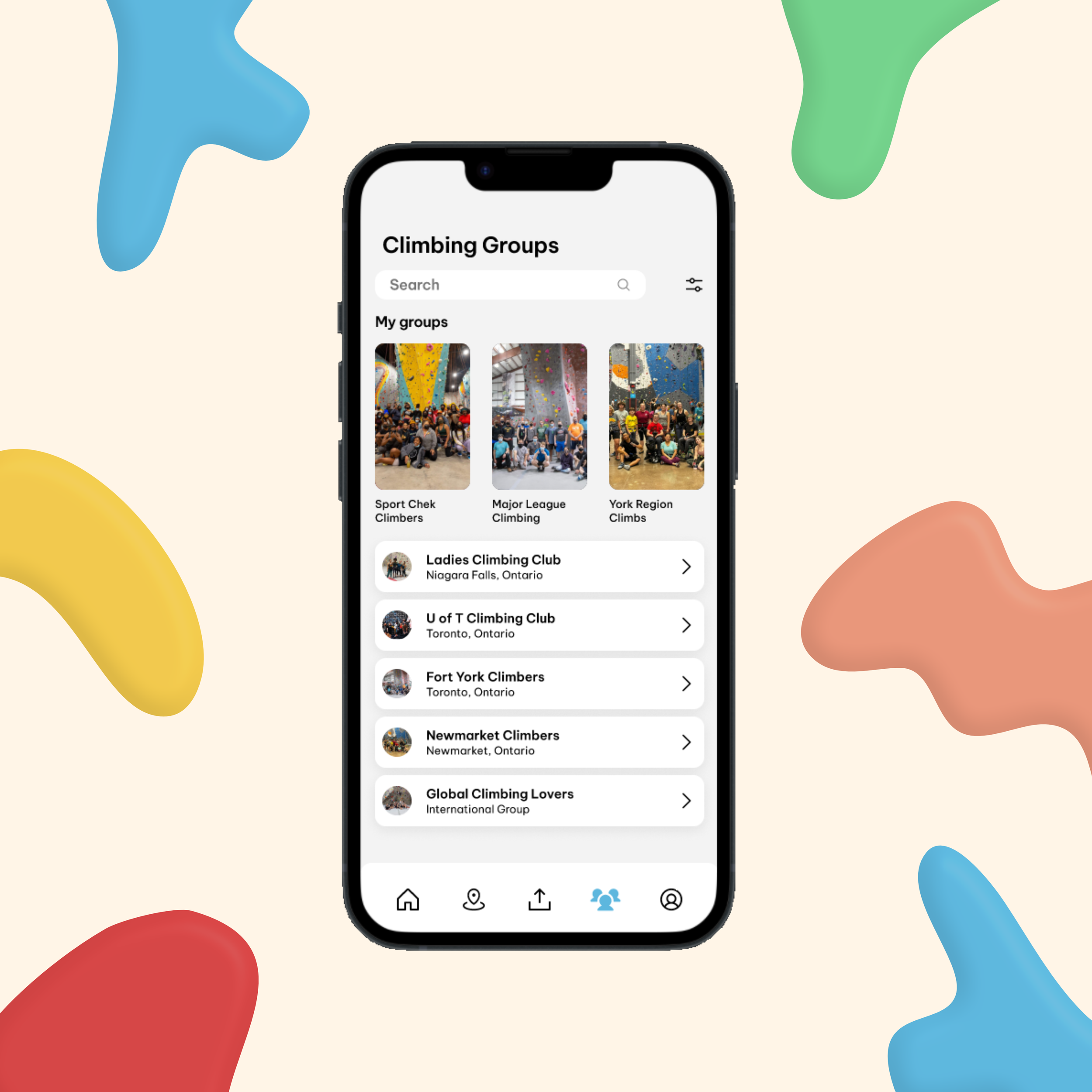
Krimp fills this gap. It provides a specialized space for climbers to share photos and videos of their sends, join local climbing groups, and discover nearby gyms. By combining performance tracking with community features, Krimp turns the solitary act of training into a shared social experience.
Project Summary
Design Challenge
As an avid indoor climber, I’ve experienced firsthand how social circles form within the gym. I was fortunate to have a mutual friend introduce me to the community when I started, but I quickly realized that isn't the case for everyone. The unfortunate reality is that many newcomers find the gym environment intimidating, which can lead to a solitary or antisocial experience that makes it harder to stick with the sport.
Climbing is a sport that demands intense perseverance and constant motivation. While climbers can connect through traditional social media, those platforms often lack the specific, tight-knit community needed to push someone to the next level. Without a dedicated support system within their gym, it’s easy for climbers to feel isolated or frustrated when they hit a plateau. This lack of connection is often what causes people to visit the gym less frequently or eventually leave the sport altogether.
Problem
Solution
Krimp is an online platform that inspires climbers to push their limits by comparing and contrasting their climbing experiences with those of others. Many people struggle with meeting people in real life. The Krimp app can enable climbers of all skill levels to share their progress within a comfortable environment.
Research
To initially understand a potential user’s needs, I conducted an online survey that was shared with the members of a local climbing gym. Through this survey, I gathered both qualitative and quantitative data that helped the ideation process of Krimp.
Primary Research
In addition to the primary research gained from my survey, I researched multiple peer-reviewed journals that analyzed the benefits of social engagement at climbing gyms. One particular journal found that the social dynamic of rock climbing has a variety of benefits.
Secondary Research
46.8% of surveyed climbers self-reported as introverts, though 74.1% of participants reported engaging in social behavior during climbing sessions.
This data suggested that the nature of rock climbing gyms may foster environments that enhance the social nature of introverts.”
Posner, L. (2020). Virtually invincible: The impact of social media presentation on rock climbing (Master’s thesis). University of Nevada, Las Vegas. UNLV Theses, Dissertations, Professional Papers, and Capstones. https://doi.org/10.34917/19412154
User Pain Point
Climbers can be uncomfortable sharing their climbing progress on traditional social media
Posting photos or videos of climbs can cause unnecessary social anxiety, impact self-esteem, and create a desire for online validation.
Sharing one’s progress for anything online can be frightening, let alone on a platform that most people don’t understand.
App Constraints
Must be visually distinguishable from traditional social media
Requires a knowledge of climbing terminology
Technical Constraints
Users may have to influence fellow climbers to download the app
Gen Z utilizes group features on social media more than third-party apps
Social Constraints
Making the app affordable/free to compete with free social media
Gym locating features may require consent from third parties
Business Constraints
Market Research

Synthesis
User Persona

Expereience Map
User goal: Bridget wants to connect with her climbing friends using an online app/service
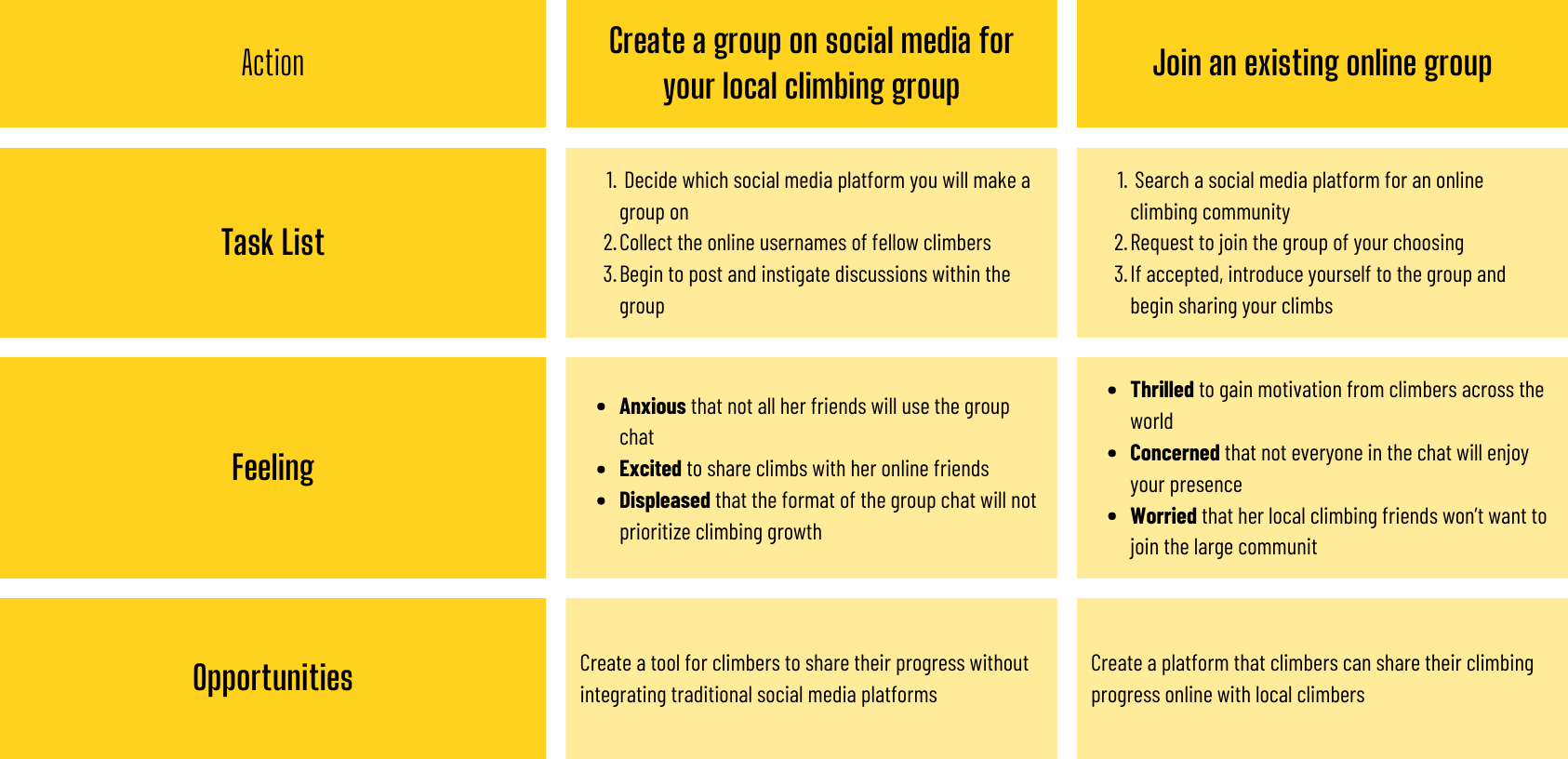
Bridget’s goal is to connect with her existing climbing friend using an online app/service. Keeping this in mind, it becomes clear that an independent climbing social media platform would provide the best user experience for Bridget. Ensuring the platform is removed from other social media can help maximize climbing-related interactions, thereby improving Bridget’s overall climbing experience.
Opportunity
Ideation
Lo-Fi Prototype


User testing
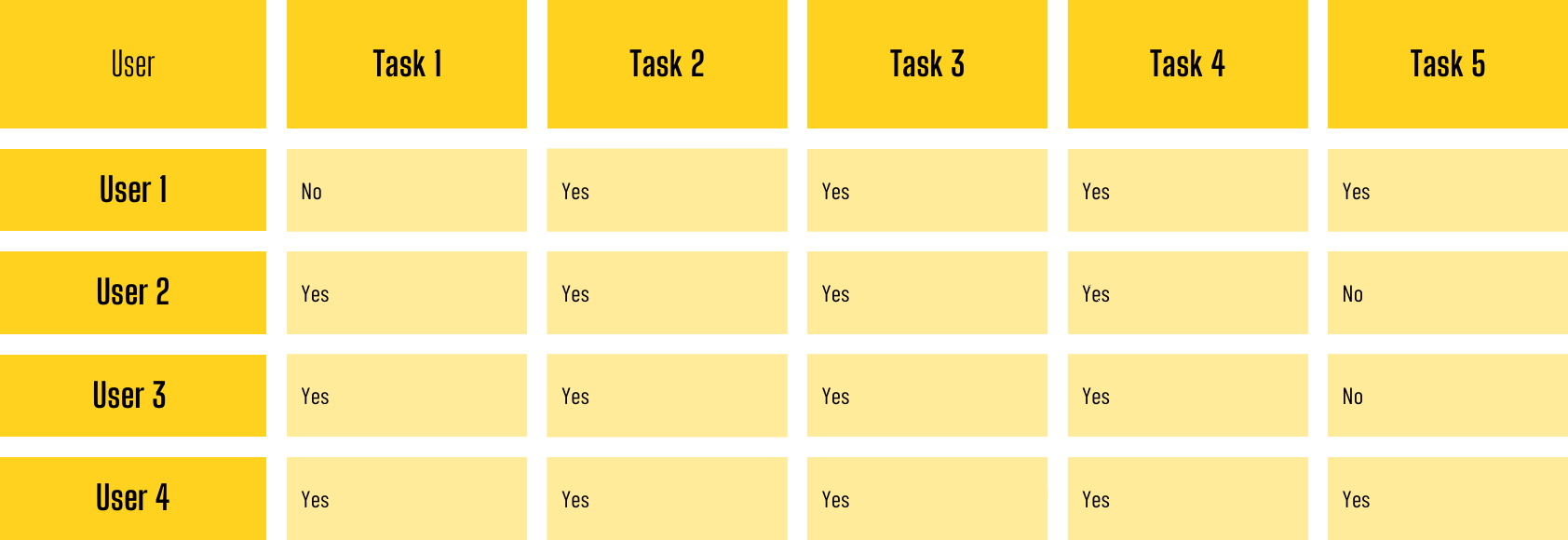
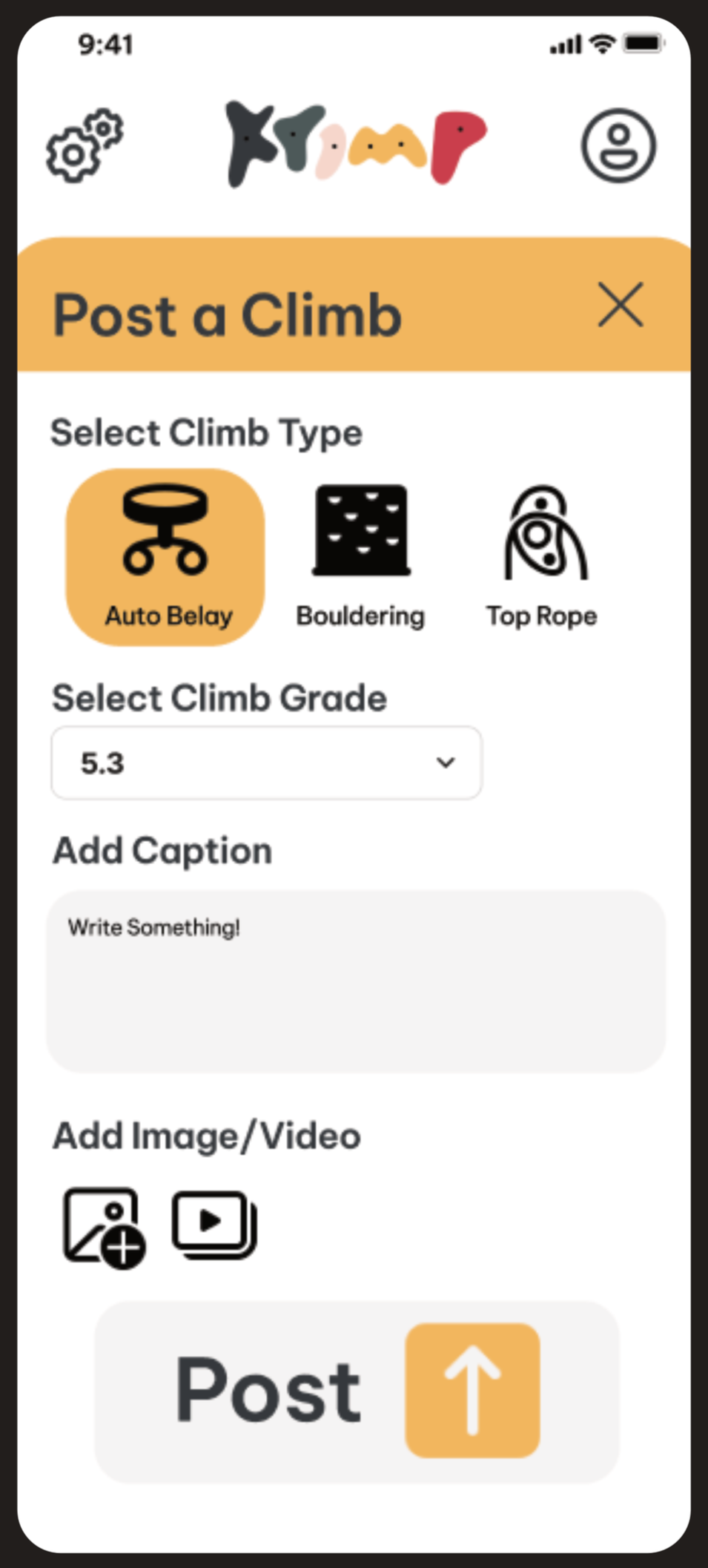
Goal: Post an auto-belay climb with a 5.6 grade, caption, and video
Task 1: Find the post button
Task 2: Select the auto-belay climb type
Task 3: Select a climb grade
Task 4: Add a caption and video
Task 5: Post the climb
Task Revisions
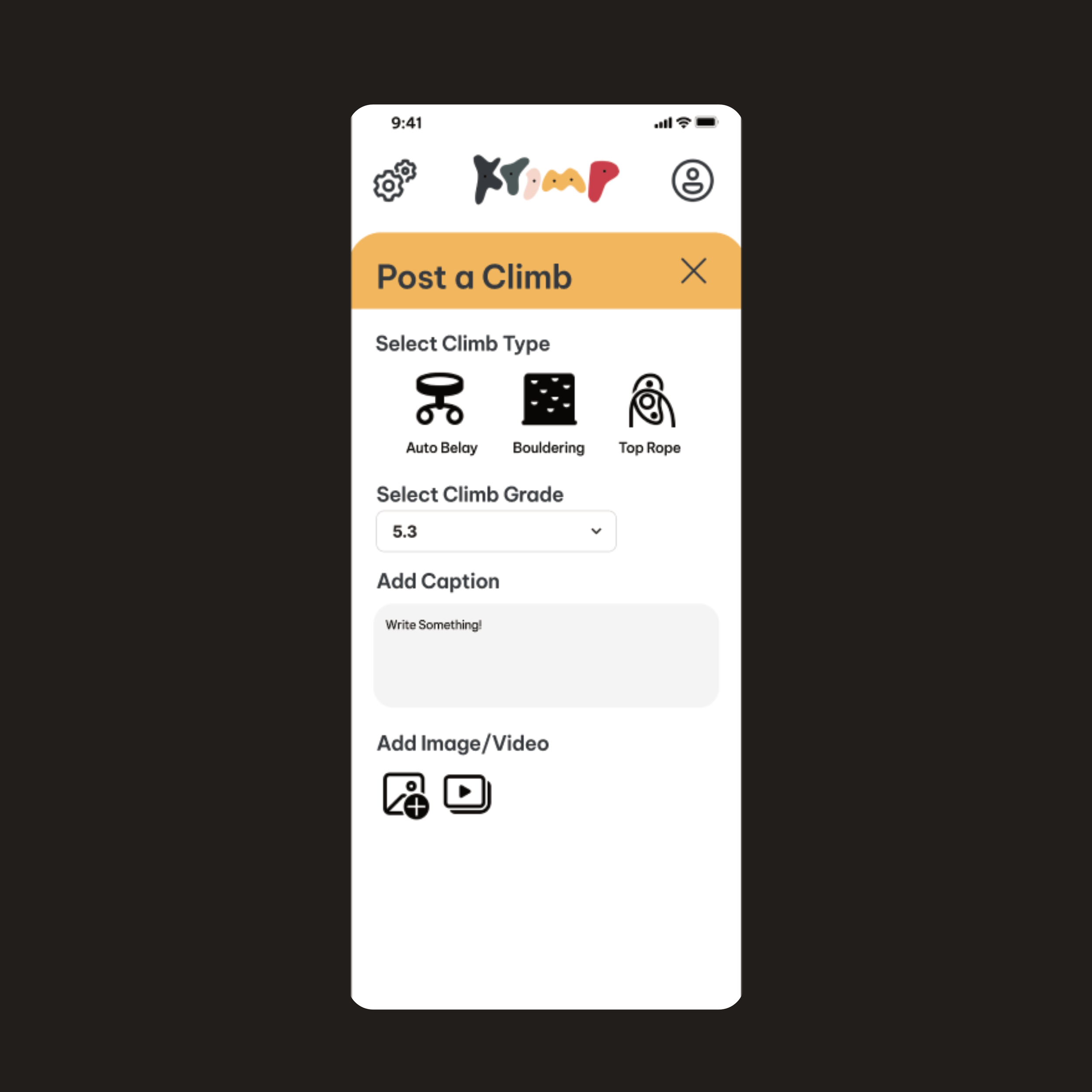
The beginning of this user flow changes drastically from the lo-fi prototype to the hi-fi prototype
Applied spacing, iconography, and typography to better align with industry norms
Changed the inputs for both climb type and climb grade
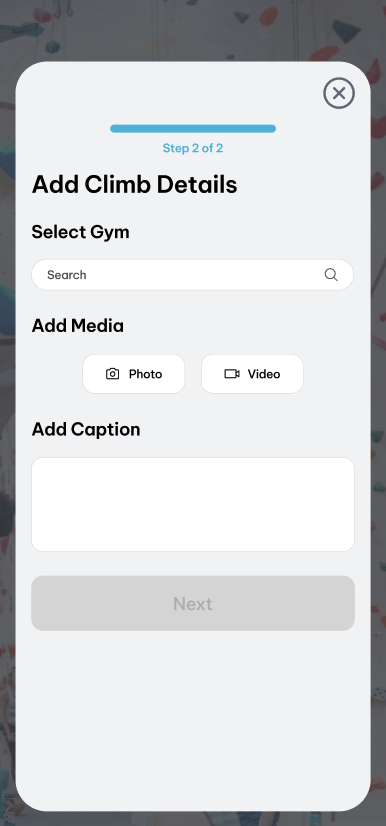
Moved the add caption and media features to a second screen in the flow
Added an add attempts feature and flash or project input, to help make the app unique from other social platforms
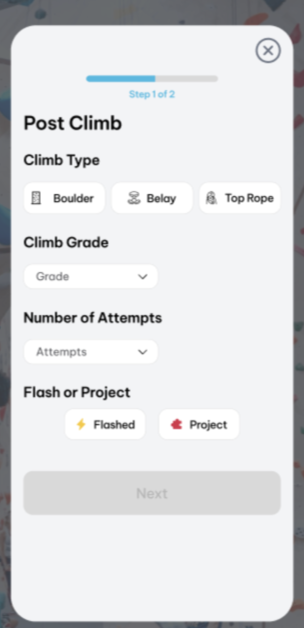
The addition of another screen
Adding another screen to this user flow simplifies the experience of adding a climb
This second screen now has a select gym feature, meaning that a posted climb can be linked to a gym within the Krimp app\
The add media and add caption inputs are evenly spaced and cleaned up
The addition of a next button gives the user an opportunity to review the details of their climb before posting
Hi-fi Protoype
Visual Identity
Colour Palette
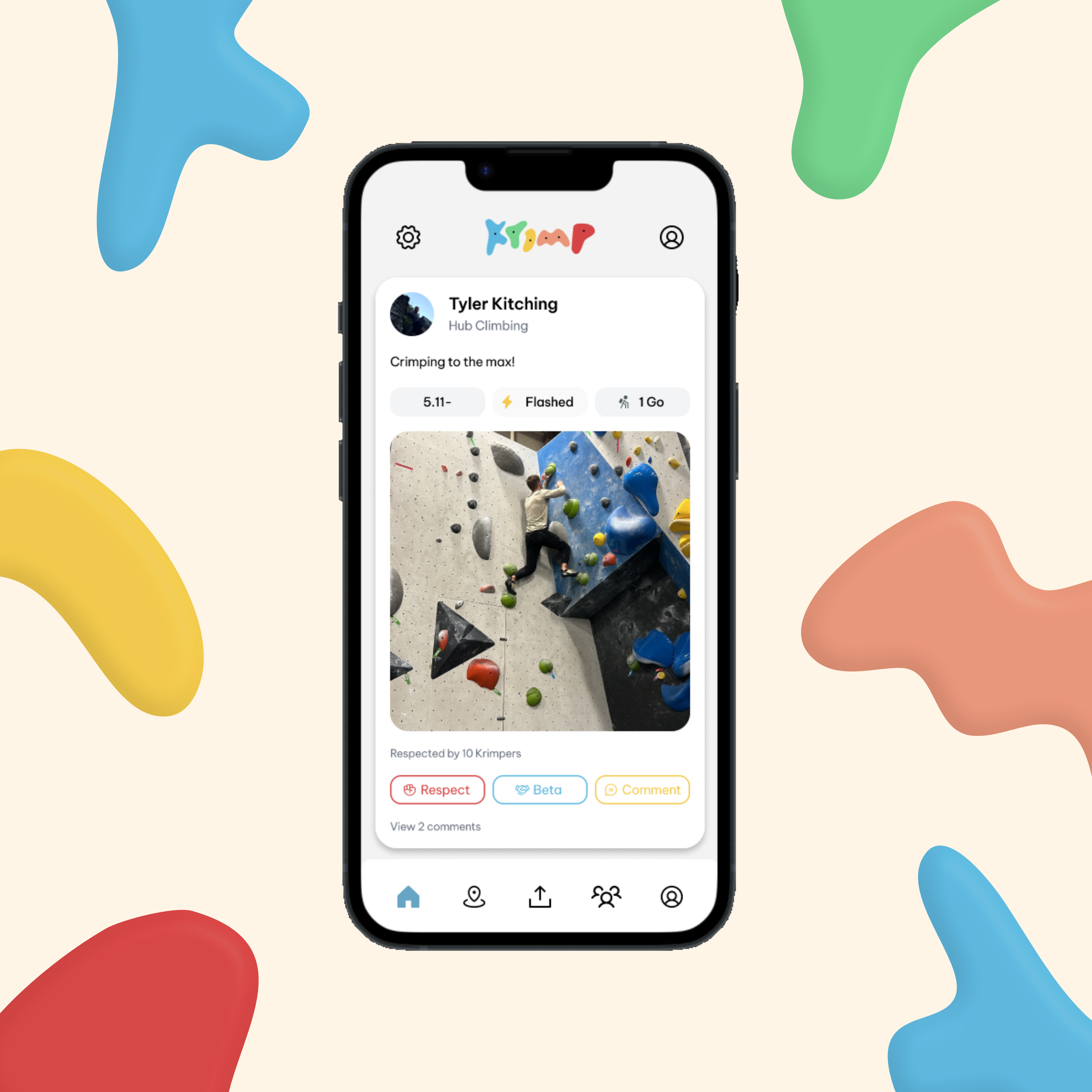
While climbing walls often feature a chaotic, random assortment of neon holds against a neutral backdrop, I took a more structured approach for the app. I utilized these signature colors throughout the interface to maintain a strong creative identity, but organized the logo's palette into a strategic progression from green to red. This bridges the gap between the playful "cluttered" aesthetic of a gym and the functional, intuitive flow of a digital product.
App name
Climbers have developed a thesaurus of terms that represent emotions or feelings towards climbing when ordinary language doesn’t suffice. Terms such as slab, dyno, and beta are frequently used within climbing gyms around the world. Crimp is one of the most popular terms to describe a style of climbing holds. Crimp holds are often small and require climbers to hold them with the very edge of their fingertips. In the climbing community, crimps are recognized as one of the hardest aspects of climbing. This disdain for crimps represents the communal nature of rock climbers who work together to get past difficult obstacles. To give the name some flair, the “c” in crimp was changed to a “k”. I think that the unique spelling of the name indicates to users that the app’s name is not correlated to the traditional use of the word crimp.

Logo
The app’s logo uses climbing holds to form the name “krimp” in a variety of colours. By doing so, the climbing theme is conveyed while clearly presenting the app’s name. The dots inside each letter are supposed to mimic the screws that hold the holds on a climbing wall. This logo properly presents the app as a climbing platform through the use of a creative typeface and a variety of colours.